
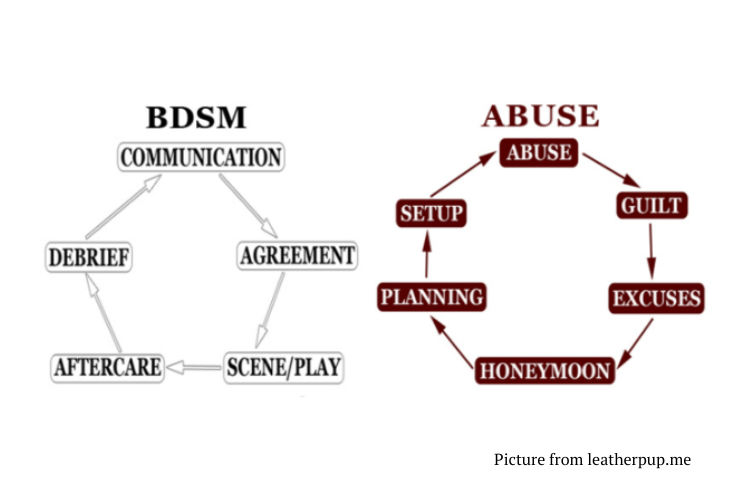
BDSM (Bondage, Discipline, Dominance, Submission, Sadism, and Masochism) is a consensual practice that involves a range of activities and dynamics that can be deeply satisfying for those involved. However, the line between BDSM and abuse is often misunderstood, particularly by those who are unfamiliar with the community’s practices and principles.
The Foundation of BDSM: Consent and Communication
At the heart of BDSM is the concept of informed, enthusiastic consent. All parties involved must fully understand and agree to the activities, boundaries, and safe words before any scene begins. This consent is ongoing and can be revoked at any time. Respect, communication, and trust are essential components of any BDSM relationship, ensuring that all activities are consensual and enjoyable for everyone involved.
In contrast, abuse is characterized by a lack of consent, respect, and communication. Abuse is a pattern of behavior in which one person seeks to control and dominate another, often through manipulation, coercion, or violence. Unlike BDSM, abuse is not consensual and can leave lasting emotional, psychological, and physical scars.
Scene Planning and Negotiation: Setting the Stage for Safe Play
Before engaging in any BDSM activity, it’s essential to engage in scene planning and negotiation. This involves a detailed discussion between partners about what will happen during the scene, including:
- Activities and Limits: What each person is comfortable with, what they are curious about, and what they absolutely do not want to engage in (hard limits).
- Safe Words: A pre-agreed word or signal that can be used to immediately stop the activity if it becomes too intense or uncomfortable.
- Roles: Clarifying who will take on the dominant and submissive roles, and how these roles will be expressed during the scene.
- Duration: How long the scene will last and any check-ins that may be needed during the activity.
Negotiation ensures that everyone’s boundaries are respected and that the scene is designed to be safe and enjoyable. It’s a crucial step in distinguishing BDSM from abuse, as it emphasizes mutual respect and understanding.
The Importance of Aftercare
Aftercare is the care and attention given to all participants after a BDSM scene. It can involve physical comfort, such as cuddling, providing water, or applying lotion to any sore areas, as well as emotional support, such as discussing the scene and reassuring one another. Aftercare helps both the dominant and submissive transition out of their roles and process the intense emotions that can arise during BDSM play.
Skipping aftercare can lead to feelings of abandonment or emotional distress, which is why it’s considered an integral part of any BDSM activity. In an abusive relationship, there is no aftercare—an abuser typically disregards their partner’s emotional or physical well-being once they have exerted control.
Debriefing: Reflecting on the Experience
Debriefing is another important aspect of BDSM that sets it apart from abusive relationships. After a scene, participants take time to discuss what happened, how they felt, and whether their boundaries were respected. This reflection allows both parties to learn from the experience, address any concerns, and make adjustments for future scenes. It also reinforces the trust and communication that are foundational to healthy BDSM relationships.
In abusive dynamics, there is no space for open and honest discussion. The abuser often silences or dismisses the victim’s feelings, leading to further harm and a lack of resolution.
Addressing Common Fears
It’s natural to have fears or concerns when exploring BDSM, especially when considering its potential overlap with abuse. Some common fears include:
- “What if I cross a line?” The fear of unintentionally crossing a partner’s boundaries is common. This is why scene planning, negotiation, and safe words are so important. They provide clear guidelines and safety measures to prevent this from happening.
- “What if my needs aren’t met?” Ensuring that your needs are met is a critical part of the negotiation process. A good partner will respect your boundaries and ensure that your well-being is prioritized.
- “What if I’m judged for seeking help?” Seeking therapy to explore your feelings and experiences is a positive step. A therapist can provide a non-judgmental space to discuss your concerns and help you navigate the complexities of BDSM relationships.
Therapy as a Resource for Support
Therapy can be a valuable resource for anyone involved in BDSM, whether you’re new to the practice or have been involved for years. A therapist who understands sexual dynamics and alternative relationships can help you explore your boundaries, address any fears or concerns, and ensure that your experiences are healthy and consensual.
If you’re worried that your relationship may be crossing the line into abuse, therapy can offer a safe space to discuss your experiences and seek guidance. A therapist can help you recognize the signs of abuse, set boundaries, and make decisions that prioritize your well-being.
Ready for Kink-Friendly Therapy?
Understanding the difference between BDSM and abuse is crucial for anyone involved in or considering these dynamics. Remember that consent, communication, and respect are the foundations of healthy BDSM practices, and that aftercare, debriefing, and negotiation are essential for safe and enjoyable experiences.
If you have concerns or need support, don’t hesitate to reach out to a therapist who specializes in sexual dynamics or relationships here in Waterloo, Ontario. They can help you navigate your experiences, address any fears, and ensure that your relationships are safe, consensual, and empowering.